“We have to cook and wash all the dishes in two hours,” my friend Sofia from Italy told me as we arrived with the ingredients to cook Mexican food. “We won’t make it. My roommates start cooking at 19:00, and we must leave everything in order.”
I thought everything was fine since I had cooked quickly before. However, I hadn’t considered that leaving everything in complete order was important to her. So, when calculating the time to cook, she also factored in the time to clean. There was no “we’ll clean up after eating” or “we’ll do it tomorrow.” It was now, and there was no other option.
That day, Sofia taught me something very important: good coexistence with the people you live with is as vital as eating. But it was the first time I saw someone paying so much attention to it. Why?
Living in Peace with the World: A Skill to Learn as a Nomad

When I first started traveling, I thought the hardest part was saving money for flights, accommodation, or finding volunteer work. But once I was out there, I realized that the real challenge was learning how to live respectufully and in peace with the world. What do I mean by this?
To be honest, it is much easier to do the things as we have learned than to adapt ourselves to other’s lives. So that’s why there’s a phrase that says: “better to say ‘I’m sorry’ than to ask.”
So most the time, we’ll see that certain situations of coexisting are left apart because it can be overwhelming ask for everything or to do an extra to keep the environment in peace. So many times people expect the another person takes the lead. But it doesn’t always happen.
There’s an important difference between Cultural and Tourist Travel. As a tourist, where we stay in hotels or hostels, we occasionally interact with a few people. But only for a short time. As Cultural Travelerers, however, what we do is “live with other people” most of the time.
Practical Rules for Better Coexistence
It’s like changing roommates every week. It can be a challenge if you don’t know how to adapt to each of them. Nevertheless, something that can help us are the “Rules of Coexistence” (ROC). These ROC, when put into practice, lead us to learn a very important skill. When traveling and in life: “we must live in peace with the world.”
These rules are varied and designed to be used anywhere you go. Additionally, you can use them not only in your host’s houses but also when attending gatherings in other homes and even hostels. Since they are diverse, I will list only a few of them:
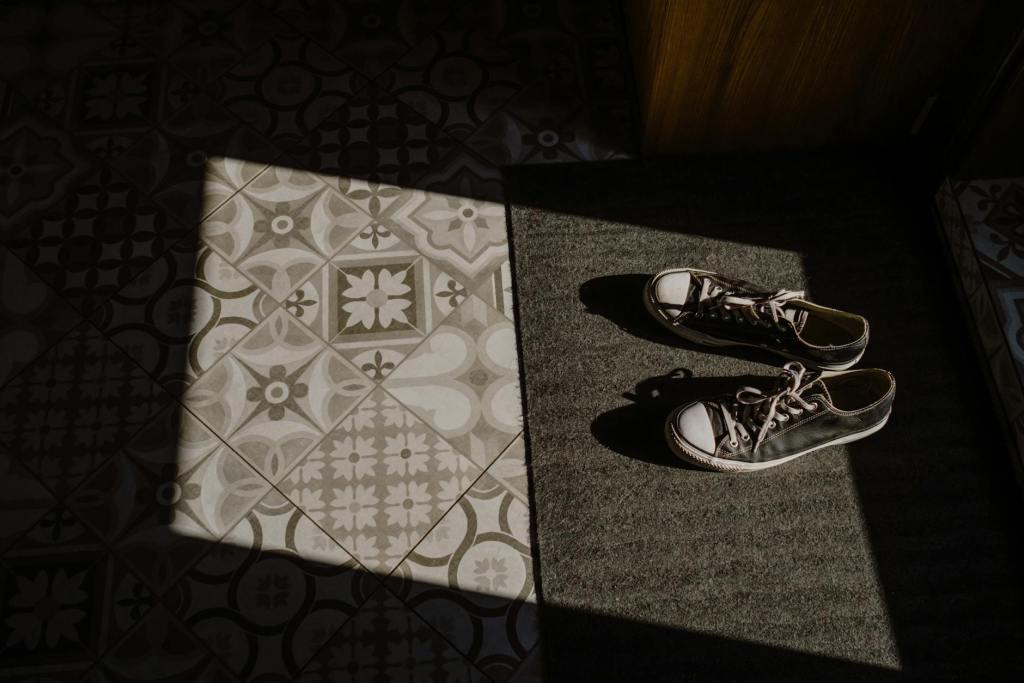
• Observe how they enter the houses: In many countries, there are different traditions. Some ask you to take off your shoes, while others won’t. In some places, they will just expect you to know how to enter. For this reason, always let the host or someone else enter first. See what they do so you can repeat it.
• Keep the place where you sleep clean: Some hosts will give you bed sheets, and pillows where you’ll sleep. Remember how they give you the room. So you can leave it the same or even better than how it was presented.
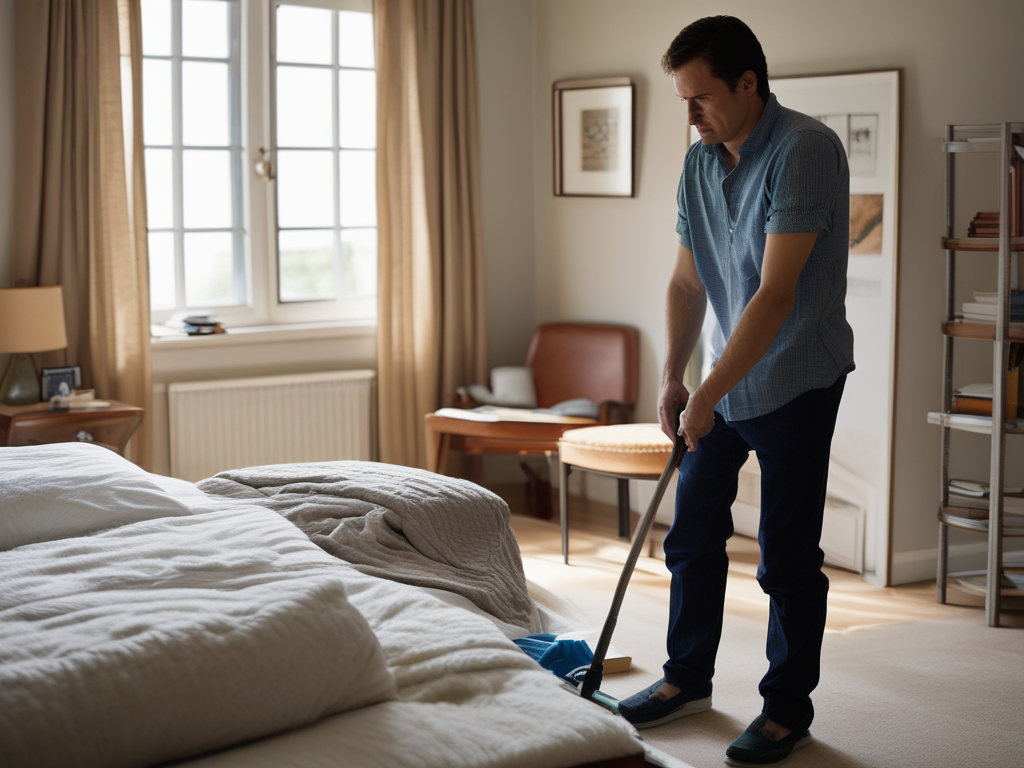
• Clean where you cook: Cooking can be tiring and cleaning the kitchen afterward can be even more exhausting. Although, it is necessary to always clean the kitchen so that others can use it after you. Even if they leave you alone in the house, clean it, as dirt can become harder to remove later.
• The bathroom is the most important: Every time you use the bathroom, make sure everything is clean. After using the toilet, the shower, or the sink (for instance, to brush your teeth), it’s important to clean up. It doesn’t matter if others don’t do it; we have a greater responsibility as guests.
• Keep personal hygiene: It’s important to regularly wash your clothes and use personal hygiene products. Showering and using deodorant are essential. This will be your calling card wherever you go.
• Ask about special house rules: Some people go to bed early, and we need to avoid making noise. Other times, you might need to turn off the lights at a certain hour. Or if you want to smoke, better to do it outside.
Always asking requires emotional intelligence because the easiest is not asking. But it’s necessary to ask for anything when we are in new places. It’s another way to respect the place.
Living and letting Live to Be a Better Traveler

After putting these RoC into practice, you will be able to have a great relationship with every host you meet. And although there are more rules, it’s important to start developing these habits. So when you start your journey, it won’t be complicated.
The most important aspect of following the RoC is learning to live in peace with the whole world. Recognizing that people are different and that everyone has something to teach. As cultural travelers, we have the responsibility to respect everyone, respecting their rules, and always helping and serving when possible.
The phrase goes like: “Live and let live,” and it is a main life rule. But I’ll add something more: “Live, let live, and always strive to live better together.”
The best blog for Nomads and Travelers who look for a budget cultural-local experience. If you like this content, we would appreciate quoting this article properly and giving credit to the author. Thank you!




 WHere?! Nomad Local Blog
Leave a comment!