
“Sorry, but we didn’t understand anything you said,” a group of international AIESEC volunteers told me. “You speak very fast, and your accent is quite strong.” This was their response after I finished a presentation in English about Mexico, for children from Slovakia.
I had always thought that learning a language required nothing more than traveling. That naturally I would absorb the knowledge to speak it. Because of this, I never made an effort to seriously study another language.
So, when I first traveled to Canada, I went with the plan of learning English. However, to my surprise, I didn’t learn as much as I thought I would. As a result, I ended up taking a book and studying it on my own back in Mexico.
Although I managed to improve the language thanks to the motivation I had, when I traveled to Slovakia couldn’t communicate. People simply didn’t understand me, and I didn’t know how to make myself understood. There was something I hadn’t developed, and that was speaking with people.
People, a Hidden Secret in the Travel
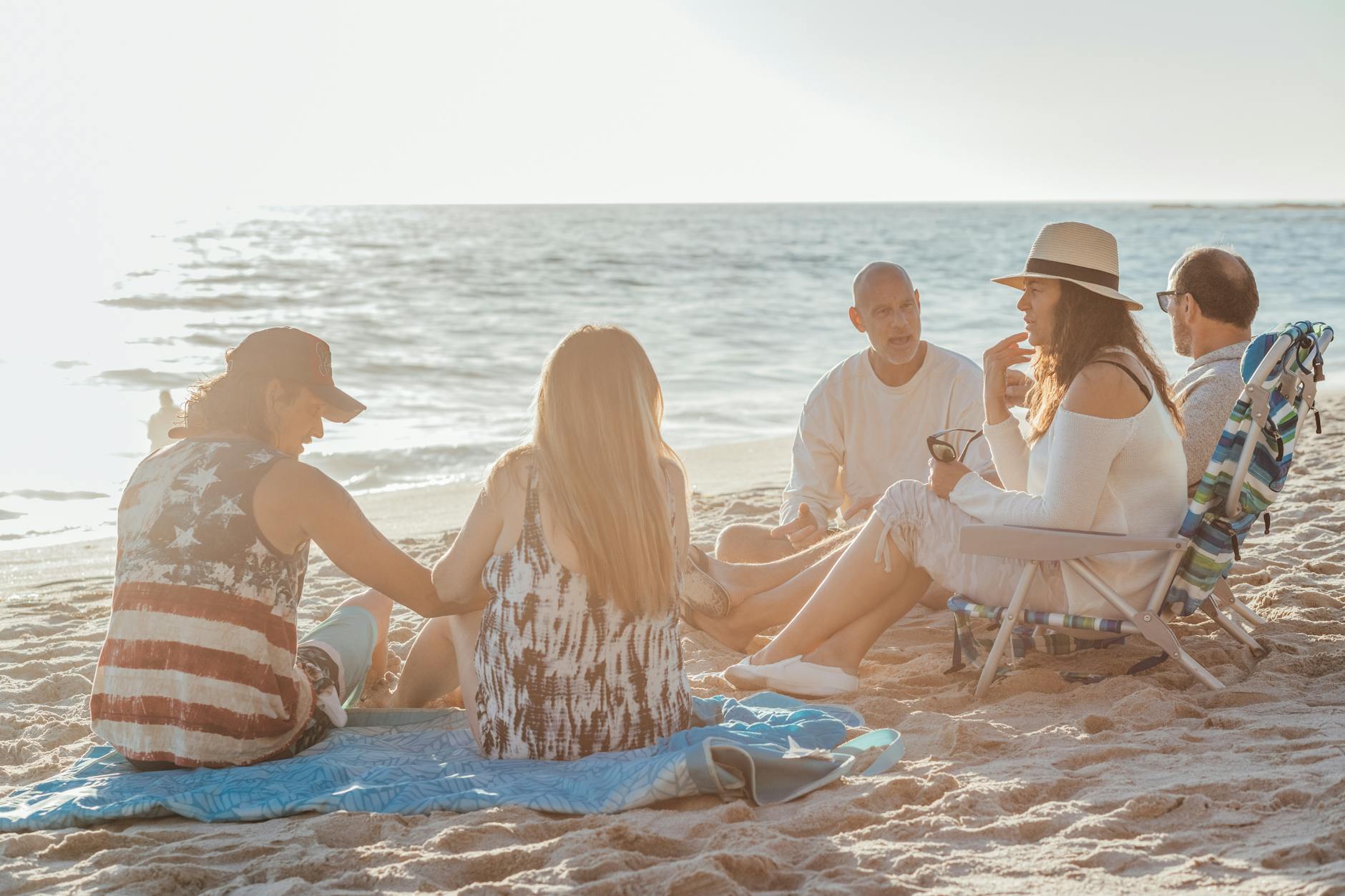
When I applied for this volunteer job through AIESEC, I thought it would be easier since I only needed English. But standing there, in front of everyone, and realizing they didn’t got anything what I said, made me think that all the English I had learned was useless. So, what did I do?
I knew I spoke quickly, and my accent didn’t help. Maybe I couldn’t change my accent, but I could speak more slowly. That was the only thing within my control. So, when I got to the children’s class, I started speaking slowly and used gestures, and it worked! I managed to make myself understood, and I gained the confidence I needed to speak more.
Also in WHere?!: Spirituality in a Cultural Travel: Exploring Taizé’s Transformative Impact in the World
Little by little, I began to get over what had happened in that meeting. However, I realized that my English hadn’t improved in one week; I was the one who improved. What did have changed?
As the weeks went by, I spoke more and more with the children. Then in a certain moment I realized that the problem wasn’t speaking but had to make sure I was understood. So I used my hands, gestures, dance, smiles, and music. The children were happy to have a fun class. They paid more attention, and at the same time, I felt they were listening to me.
That was the “Secret”: to make people feel that we truly care about being understood. Eventually that turns into motivation that we can use to keep talking. I realized that to lose the fear of speaking and making mistakes, it was just a matter of getting rid off the thoughts about errors, and focusing on the message. I thought about what the other person can offer me through their words.
“The secret was making people feel that we genuinely care about being understood, and that motivates us to keep talking.“
To speak a language, I did not need linguistic skills. Rather my interest and love for getting to know people. Eventually, communication would happen, no matter how. And that’s how I later managed to learn Slovak language! But I’ll tell that story in another article.
Speaking Without Words as a Backpacker
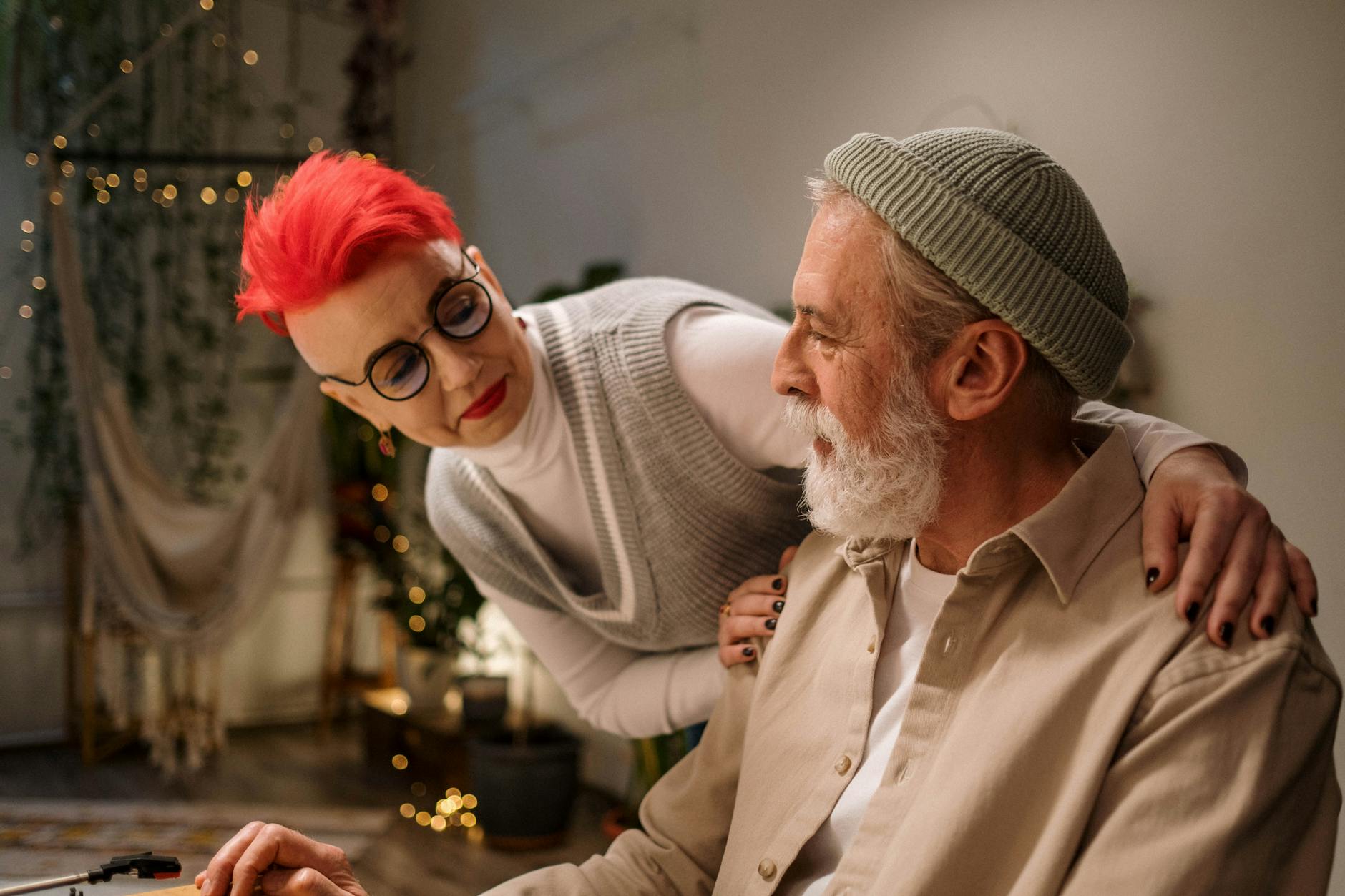
The first hypothesis about learning languages while traveling wasn’t entirely wrong. In reality, I did improve my English a bit when I started my backpacking trips. Although at first, it was quite the opposite.
When you become a traveler or a backpacker you go to different countries. Honestly, it’s almost impossible to learn all the languages. In countries like Slovakia, Mexico/Latinoamerica, France, Spain, Japan, and many others, it’s difficult to find people who speak English. So it becomes a hardship. What do we do if people don’t understand us even in English? Giving up and staying silent is not an option.
What I did was simply let my actions speak and used the translator for important things. I also expressed my happiness to be in their countries through feelings. Although I did not understand what they replied, I interpreted their smiles. We communicated without speaking and expressed ourselves in different ways.
“To speak a language, I didn’t need my linguistic abilities. Rather my interest and love for getting to know people.“
Now, I must say that every country is different. But in many, I started to see that people truly wanted to communicate with me, even though I didn’t speak their language. That gave me a lot of motivation to learn it, and I caught some phrases in Romanian, Turkish, or Italian. Although, I didn’t fully learn these languages, I chose another one I felt very comfortable and close with: Slovak.
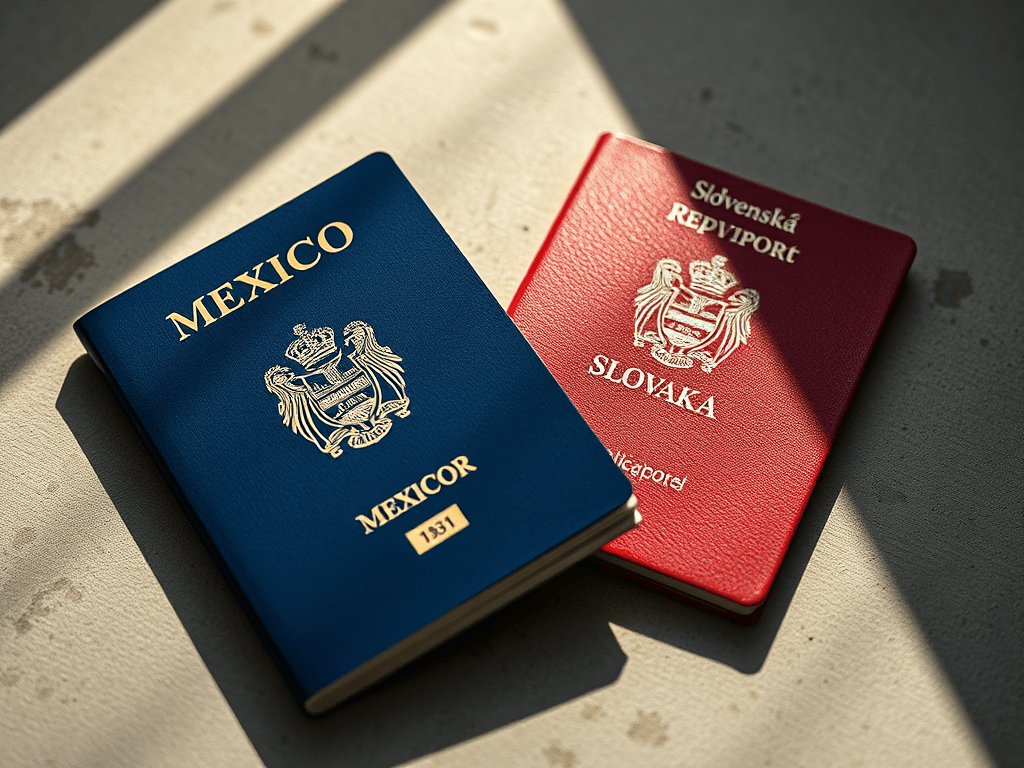
Today, I’m writing this text back in Slovakia, almost seven years after I came here the first time. It’s a place where most people only speak Slovak and very few English or Spanish. Nevertheless, they gave me something priceless: their language.
They gave me the care of getting to know me. Thanks to their interest in talking and listening to me, now I can speak with them. Besides, I get immerse more into the culture, make more friends and got a job as a Spanish teacher.
After all, everything starts with the mutual interest in understanding each other. I found out that people and love are the key to developing language skills. A je to všetko!
The best blog for Nomads and Travelers who look for a budget cultural-local experience. If you like this content, we would appreciate quoting this article properly and giving credit to the author. Thank you!






Leave a comment!